
EPP’ers Take on Football and the Sun
For 15year old Theo MacGregor and 11 year old Deagon Campbell, playing football means taking on more than the opposing team. Living with Erythropoietic Protoporphyria (EPP), the two young athletes have found their own ways to navigate practices, game days and hours spent outdoors without letting the sun keep them from a sport they love.
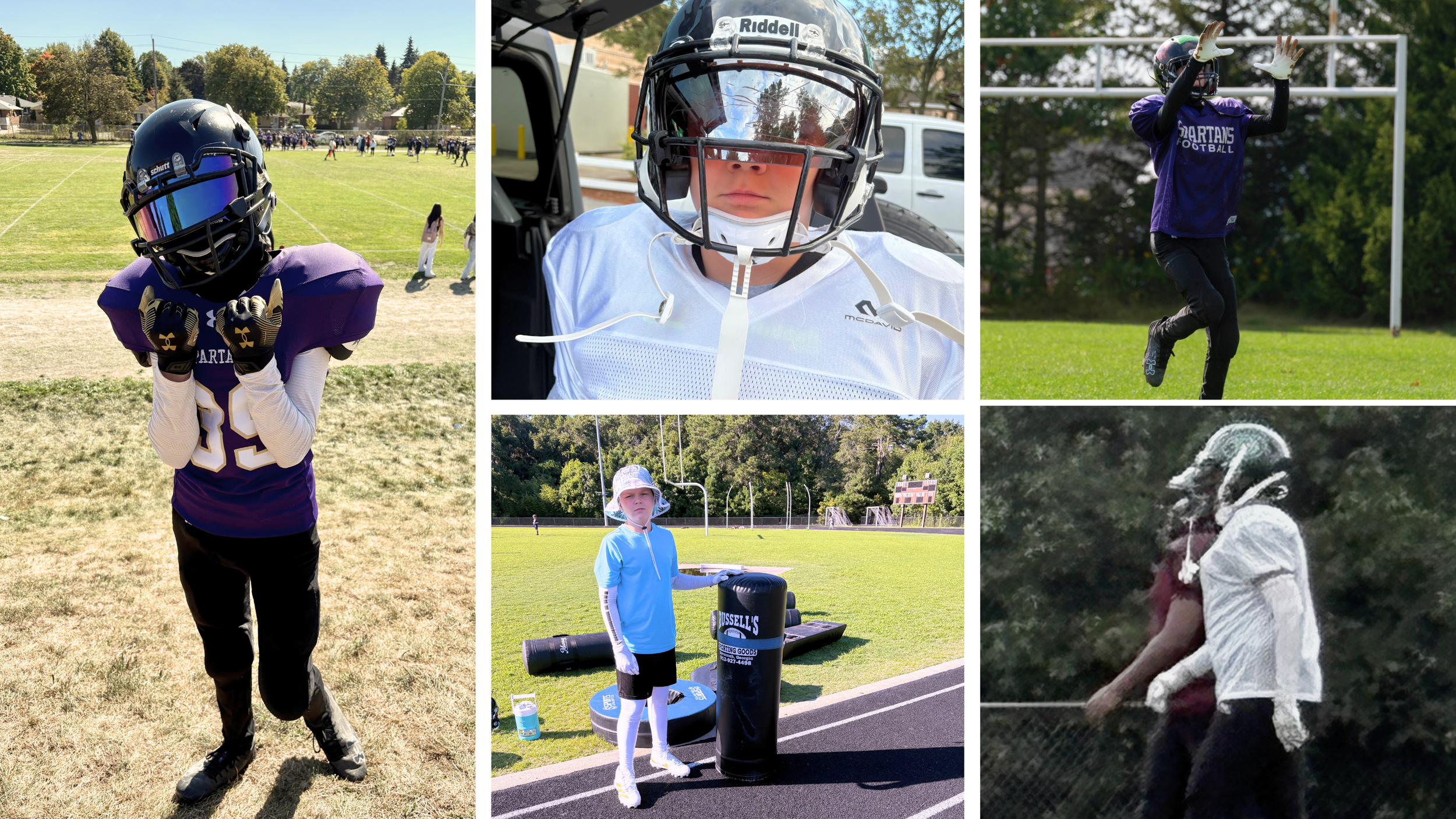
Football players are used to putting on a lot of gear.
Helmet. Shoulder pads. Cleats. Gloves.
For Theo and Deagon, there's another layer when getting ready for the field and that’s protecting nearly every inch of their skin from sunlight.
Theo, 15, is a Grade 10 student who plays cornerback/defensive back for the Centennial Spartans. Before stepping onto the field in Canada, he puts on long socks beneath his football pants, a full-sleeve cover-up, gloves, a neck gaiter/buff underneath his helmet to protect his face and a UV protective visor on his helmet.
Eleven-year-old Deagon Campbell, who plays for the Bluffton Bulldogs, has a similar routine when suiting up in South Carolina. His football gear includes leggings, UV-protective sleeves, receiver gloves and a similar visor inside his helmet. When it's time for a break, a bucket hat is waiting for him on the sideline.
For both players, it's what allows them to participate in a sport played almost entirely in an environment that presents a unique challenge for someone with EPP.
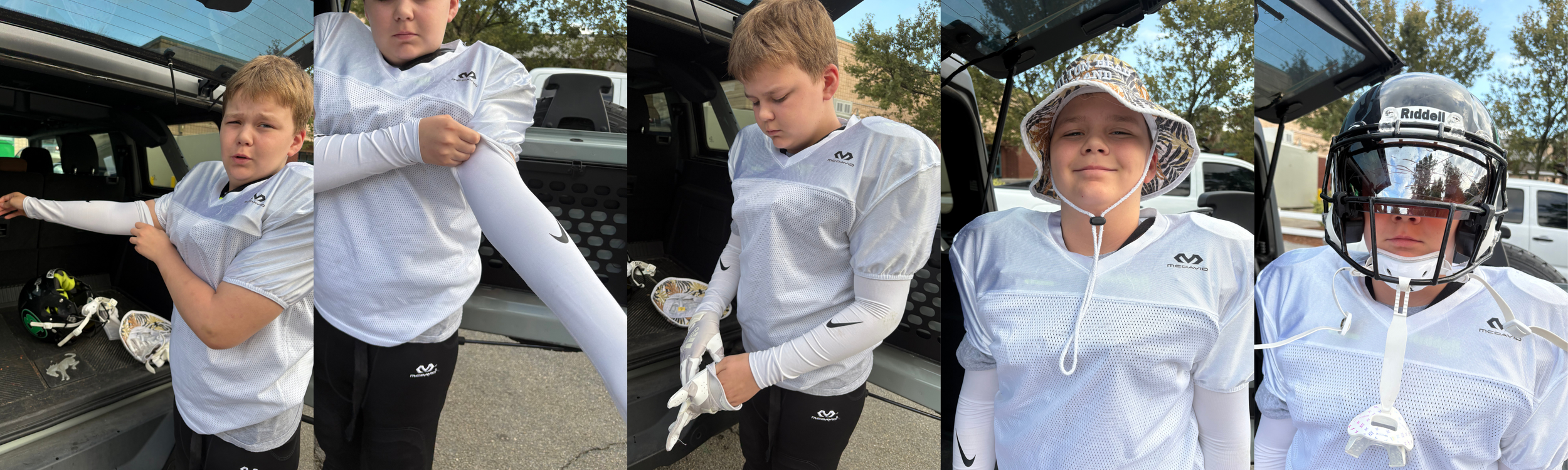
Deagon’s pre game process for the sun includes uv long sleeves, gloves and a UV protective visor.
Playing Football When Sunlight Hurts
EPP is a rare genetic disorder that causes extreme sensitivity to light, particularly visible light. Exposure can cause severe, often debilitating pain and 2nd degree like burns & reactions, sometimes without the obvious physical signs in the moment that someone might expect to see.
Avoiding that exposure while playing an outdoor sport requires preparation, communication and a willingness to look a little different from everyone else.
For Theo, one of the toughest parts isn't necessarily the game on the field or the sun’s rays…It's the heat.
On a scorching practice day, his teammates may be able to shed layers to cool down but Theo can't. No matter how hot it gets, his protective clothing needs to stay on.
Deagon faces the same balancing act, particularly playing under the hot southern sun. Constant movement, layers of protective clothing and heat radiating from the turf can make overheating a real concern while his teammates have more opportunities to cool down.
And covering up doesn't eliminate every risk. Sunlight reflecting off the turf can still reach areas around Deagon's lips and lower cheeks. He's experienced painful reactions on his lips in the past.
It means that while both are thinking about their assignments on the field, there's another calculation happening nonstop in the background: “How does my body feel right now?”
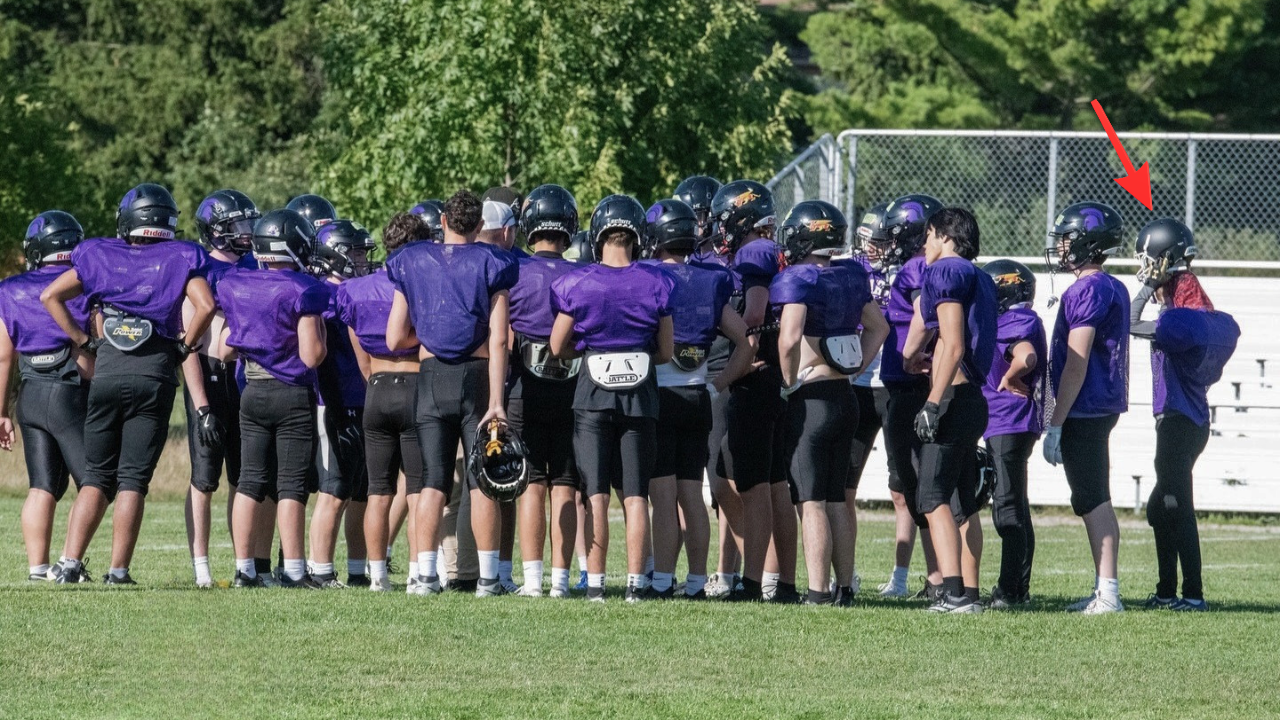
Theo (far right) has to constantly be covered head to toe during all football activities
Making the Sidelines Sun Safe
That awareness extends beyond Deagon and Theo themselves. Both families have made communication with coaches an important part of allowing their sons to play safely.
Theo has explained EPP to his coaches so they understand why he may need to find shade while he's resting. His team has been able to accommodate those needs, including providing access to shade and tents along the sidelines.
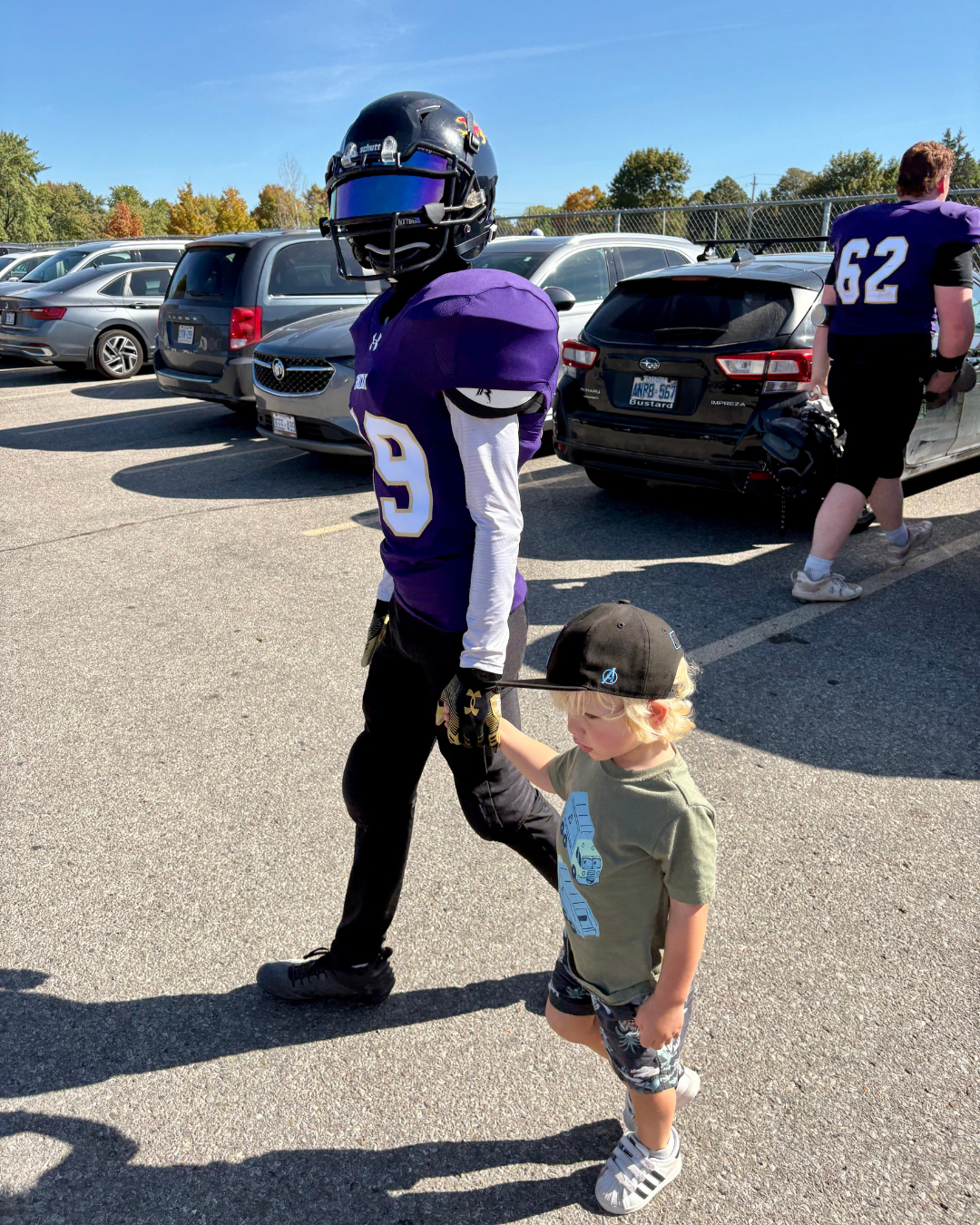
Theo with his brother pregame
The importance of those accommodations became especially clear during Theo's Grade 9 season. During one game, Theo found himself standing on the sideline in the blaring sun without shade. He began experiencing an EPP reaction and eventually had to leave the sideline to find protection elsewhere.
Deagon's family takes a similarly proactive approach with every new coach. They make one thing clear from the beginning: Deagon is just as capable as every other player on the field.
They aren't asking that he be treated differently as an athlete. They simply want the people around him to understand EPP, recognize what he may need and know that Deagon will speak up if he begins feeling a reaction.
Fans are made available and tents provide shade during breaks. At the team's first practice of the season, his head coach explains Deagon's condition to the other players. They can ask their questions, understand why some of his gear looks different, and then move on to what everyone is there to do. Play football.
Watching From The Stands
For their parents, however, simply watching a game isn't always so simple.
Theo's mom Melissa admits there's inevitably some concern as she watches from the sidelines. She finds herself checking on him and wondering whether he's feeling okay. But there's trust, too. “Theo knows his body. He knows what a reaction feels like, and we trust that he'll take action when he needs to.”
For Deagon's mom, Andrea, turning off that internal alarm can be even harder. “I honestly think I worry more than Deagon does,” she says.
Her eyes aren't only following the football. They're checking whether Deagon's leggings have rolled up or his sleeves have slipped down. On especially hot days, she's thinking about whether his lips are protected and whether all those layers could cause him to overheat.
Sometimes she'll even text the team mom and ask her to check on him, because when Deagon gets “in the zone,” football can become his entire focus.
It's a difficult balance for the parent of a child with EPP: knowing exactly what can happen after one mistake while also giving your child the freedom to live.
“I am beyond proud of Deagon for not letting his EPP define him or hinder his capabilities,” Andrea says. “We have said from the beginning of his diagnosis at 5 years old, he can do all the things his peers can do, we just have to be extra cautious.”
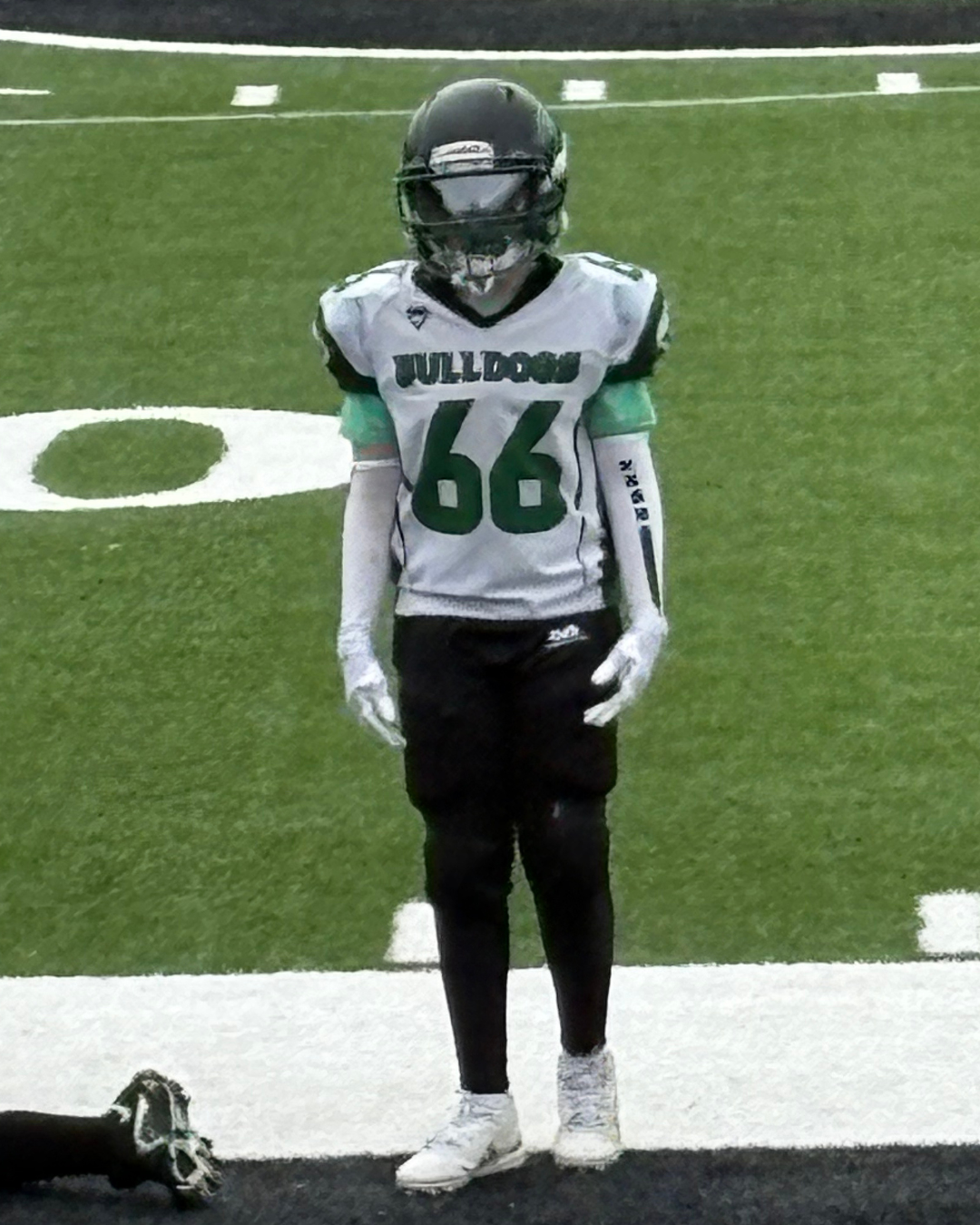
Deagon in his protective visor, that needed a medical release and is not available for all players.
She knows she'll always worry. “But I have to keep reminding him we won't live in fear.”
Perhaps that's what makes Deagon and Theo's stories something more than just football.
At 15, Theo knows that his condition makes him stand out. His extra gear looks different. His face needs to be covered. His coaches need to know why he occasionally heads for the shade when everyone else stays put. And he's okay with that.
His parents are especially proud that their son is confident enough to be fully himself in an age when standing out isn't always easy. Rather than allowing those differences to push him away from something he loves, Theo has learned how to make football work for him.
That's the advice he'd give another young person with EPP who's standing on the sidelines wondering whether they could ever play, too.
"If there's something you want to do," Theo says, "don't let your condition automatically decide that you can't. Find ways to adapt. Learn what works for your body. Be confident in who you are, even when that means looking different from everyone around you. EPP may be one of the first things someone notices or learns about you. It doesn't have to be the thing that determines what you're capable of.”
Deagon has reached much the same conclusion at 11, and perhaps put it even more simply.
“I think when you want it bad enough, you will do what it takes for the things you love to do,” he says. “EPP is a condition, but it doesn't have to ruin you.”
And as for having to look different from everyone else?
Deagon has discovered there can be an upside to that, too.
“Some of the sun gear makes you look really cool!” he says. “Everyone likes my visor, but they aren't allowed one without a medical diagnosis, so I'm usually the only one who gets to have it. They all tell me how cool I look.”
On fields hundreds of miles apart, an 11-year-old Bluffton Bulldog and a 15-year-old Centennial Spartan are learning the same lesson.
Sometimes participating means adapting. Sometimes being included means looking different. And sometimes doing what you love means putting on an extra layer, finding some shade, adjusting your game plan, and getting back onto the field.